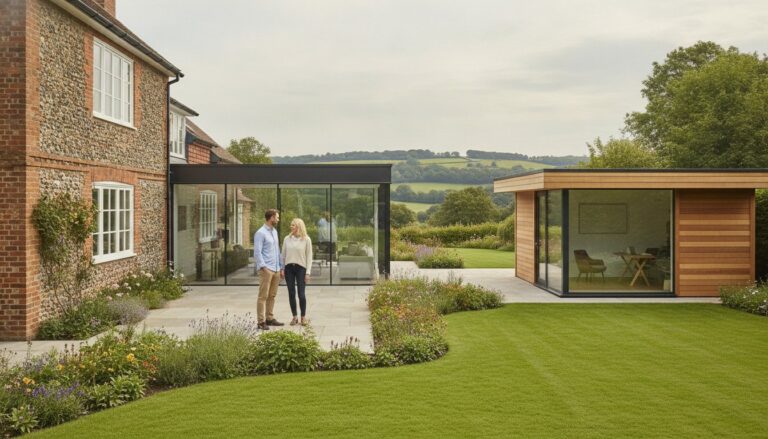
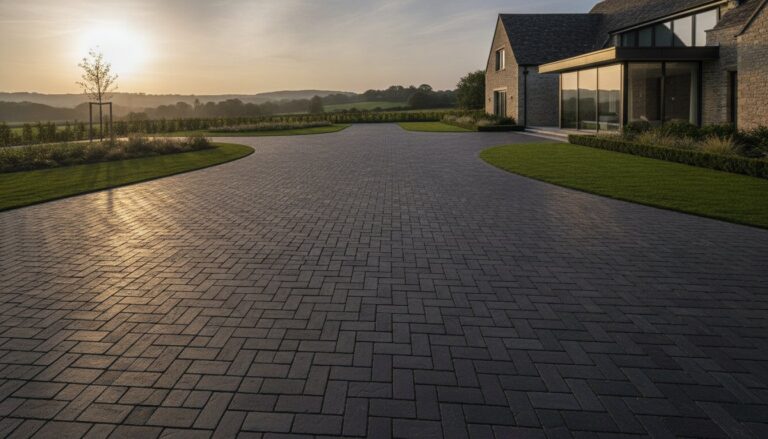
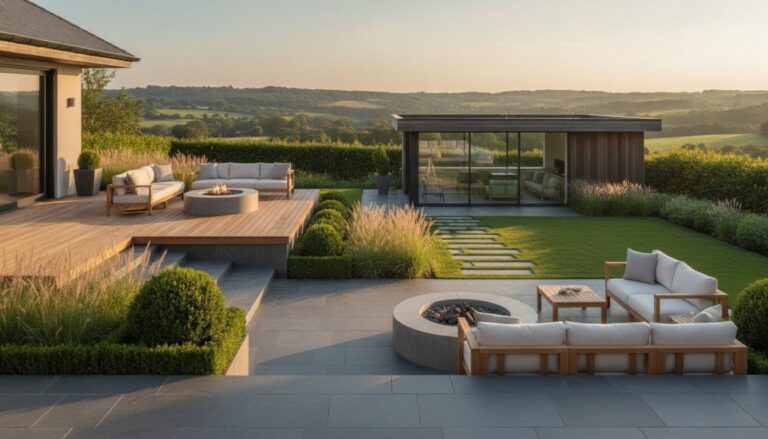
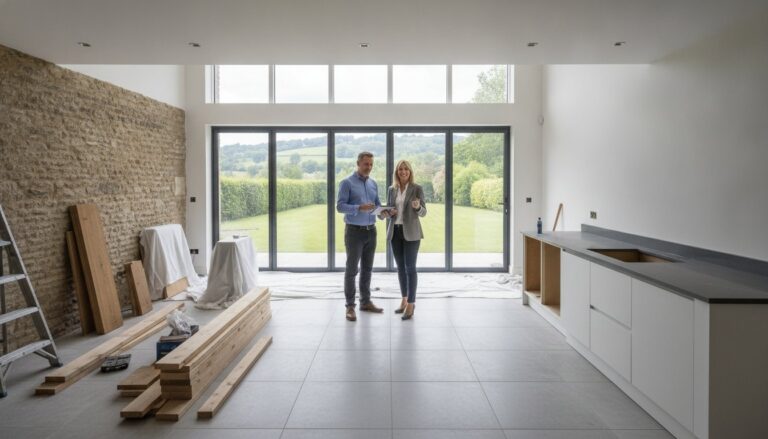
What if your garden was no longer a seasonal afterthought, but a structural extension of your home’s architecture? For many, the reality of outdoor living is often marred by muddy, unusable lawns or the sight of expensive slabs shifting because of poor installation. We understand that finding the right patio design ideas Buckinghamshire homeowners can rely on is difficult when faced with a confusing array of material choices and the search for dependable expertise.
We believe your outdoor space should offer a frictionless transition from your interior, providing a sophisticated area for entertaining that also boosts your property’s long-term value. In this guide, we’ll share how to select, design, and install a premium stone patio that stands up to the local climate. You’ll discover the technical precision required for lasting stability and the aesthetic inspiration needed to turn a simple garden into a polished, high-end retreat.
Key Takeaways
- Natural stone remains the gold standard for heritage properties, providing a level of durability and aesthetic character that synthetic alternatives can’t replicate.
- Effective patio design ideas Buckinghamshire residents value most focus on an “inside-out” philosophy, creating a seamless transition from your home’s interior to the garden.
- The structural integrity of your patio depends on precision engineering below the surface, where a robust sub-base and expert drainage management prevent slabs from shifting.
- Proper maintenance doesn’t have to be complex; understanding when to seal your stone and how to prepare it for a damp UK winter ensures your outdoor space stays pristine.
- A frictionless experience is best achieved through a single point of contact who manages every phase of construction, from initial groundworks to the final aesthetic details.
Choosing the Right Material: Natural Stone vs. Alternatives
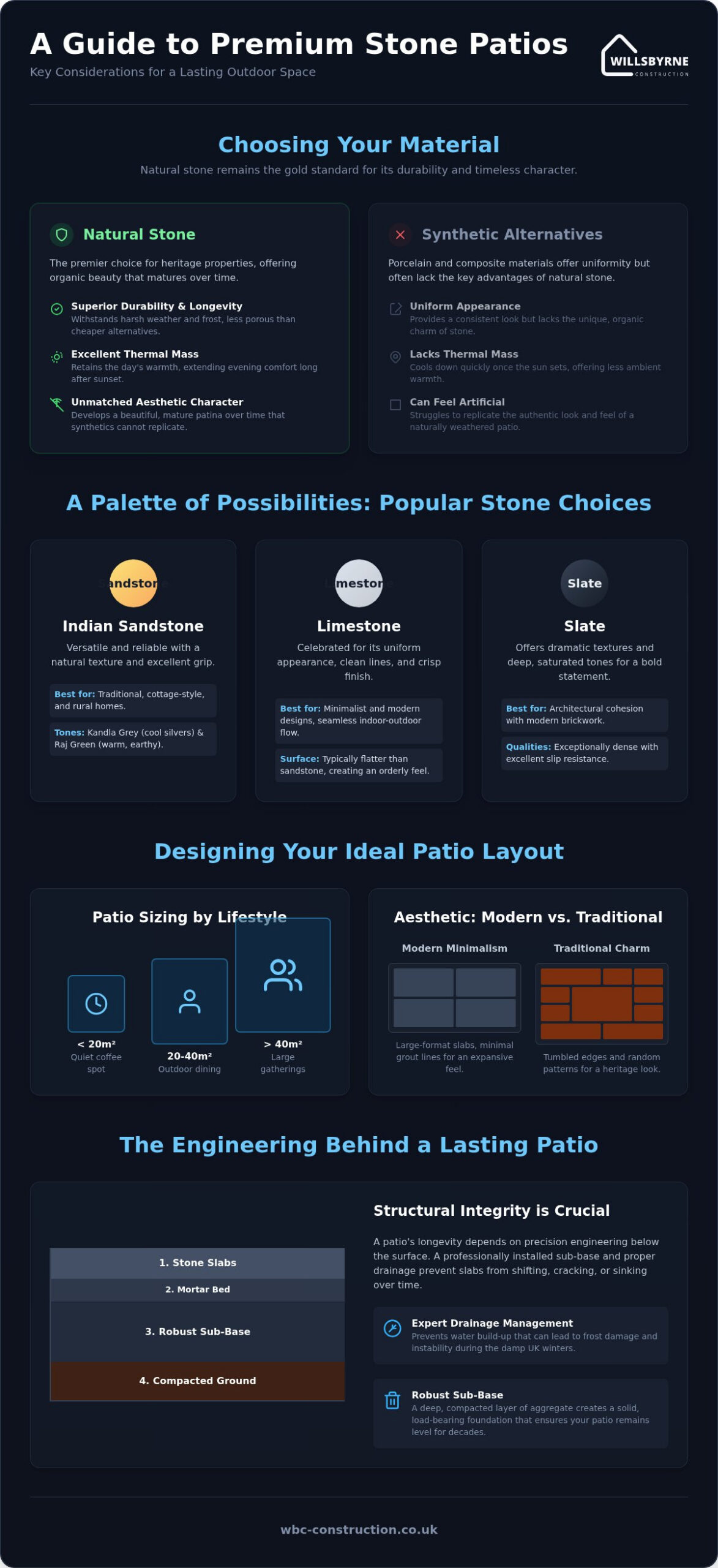
A stone patio serves as a permanent outdoor floor, constructed from natural or composite slabs designed to withstand decades of use. For the heritage properties and sprawling estates found across the county, natural stone remains the undisputed gold standard. It offers an organic beauty that synthetic materials struggle to replicate, especially as the stone develops a mature patina over time. Selecting the right material is the first step in realizing patio design ideas Buckinghamshire residents can enjoy year-round, shifting the garden’s role from a simple green space to a fully functional outdoor living room.
The choice between stone types involves balancing durability, porosity, and heat retention. High-quality natural stone is less porous than cheaper alternatives, meaning it’s less likely to absorb water and crack during a hard frost. While porcelain and composite materials offer uniformity, they often lack the thermal mass of natural stone, which retains the day’s warmth long after the sun has set. This transition toward a structural, lived-in environment requires a professional eye to ensure the material matches both your lifestyle needs and the geological requirements of your land.
The Enduring Appeal of Indian Sandstone
Indian sandstone is a frequent choice for gardens in the UK, prized for its natural texture and reliable grip underfoot. Its popularity stems from its incredible versatility and the range of tones available. Options like Kandla Grey provide a consistent, contemporary palette of silvers and mid-greys, while Raj Green offers a warmer, earthier aesthetic that mimics traditional English Yorkstone. These stones weather beautifully, maintaining their structural integrity despite the damp conditions of the Chilterns. For cottage-style landscapes or traditional rural homes, sandstone provides a soft, hand-dressed finish that feels established from the moment it’s laid.
Sleek Sophistication with Limestone and Slate
If your vision leans toward a minimalist or modern aesthetic, limestone and slate offer distinct architectural advantages. Limestone is celebrated for its relative uniformity and clean lines, making it ideal for garden designs that require a crisp, orderly finish. It often features a flatter surface than sandstone, which helps create a seamless flow from internal bifold doors to the outdoors. This is a core component of modern patio design ideas Buckinghamshire homeowners use to extend their living space.
Slate provides dramatic textures and deep, saturated tones ranging from charcoal to blue-grey. It’s exceptionally dense and offers excellent slip resistance, which is a vital consideration for the wet UK climate. When selecting these materials, we focus on architectural cohesion. Matching the cool tones of slate with darker brickwork or using the pale warmth of limestone to contrast against traditional red brick ensures the patio feels like an intentional part of the home’s original design.
Design Frameworks for Your Stone Patio Layout
A successful layout begins with the “Inside-Out” philosophy. This approach treats your patio as a structural continuation of your interior floor plan, particularly when transitioning through bifold or sliding doors. By aligning grout lines or choosing a stone that mirrors your internal flooring, you create a seamless visual flow. This is a hallmark of the sophisticated patio design ideas Buckinghamshire homeowners use to expand their living space without the need for traditional walls.
Scale is determined by your intended lifestyle. A small patio under 20m² might suit a quiet morning coffee spot, while a medium space between 20m² and 40m² provides ample room for a dining table and chairs. For those who enjoy hosting large gatherings, a footprint of 40m² or more is often required. Zoning these larger areas with different stone textures or subtle level changes helps define separate environments for dining and lounging. Incorporating structural brickwork or raised planters adds vertical interest to flat plots, creating a sense of enclosure and privacy.
Modern Minimalism vs. Traditional Charm
The choice of slab size significantly impacts the final aesthetic. Large-format slabs create a contemporary, expansive feel by reducing the number of visible grout lines, which minimizes visual clutter. This works exceptionally well in modern garden designs. Conversely, tumbled edges and random laying patterns offer a heritage look that complements the historic architecture found in many Bucks villages. We often recommend border setts to define these spaces, providing a premium, bespoke finish that distinguishes a professional installation from a standard project.
Integrating with Garden Architecture
A patio shouldn’t exist in isolation. It must be designed to wrap around existing home extensions or property renovations to feel like an original feature. Many of our clients now integrate bespoke garden rooms Aylesbury into their layout, using the stone paving to connect the main house with a secondary workspace or gym.
Planning for electrical runs is another critical phase. We ensure that discreet cable runs for lighting and outdoor power are positioned under the paving before the sub-base is laid. This meticulous approach prevents the need for disruptive retrofitting later. If you’re ready to explore how these elements can work in your garden, our team can help you refine your vision through a detailed design consultation.
The Engineering Behind a Lasting Stone Patio
While aesthetics drive the initial patio design ideas Buckinghamshire homeowners consider, the structural integrity of the project depends entirely on what lies beneath the surface. Engineering a patio is a disciplined process that balances local geology with precise geometry. Without rigorous groundworks, even the most expensive natural stone will eventually sink, crack, or shift. We view every installation as a high-stakes construction project where technical precision is non-negotiable for long-term peace of mind.
Managing drainage is perhaps the most critical engineering challenge. We must ensure that water is directed away from your home to protect the damp proof course and prevent standing water from becoming a slip hazard. This requires a calculated slope, or “fall,” built into the very foundation of the patio. By treating the installation as a structural extension of your home, we ensure the result is a stable, level environment that enhances your property’s value and provides a frictionless outdoor lifestyle.
Excavation and Sub-Base Preparation
The foundation of any lasting stone floor is a correctly engineered sub-base. In many parts of Buckinghamshire, particularly around Aylesbury and Thame, we encounter heavy clay soils that expand and contract significantly with changing moisture levels. This movement can be catastrophic for paving if the excavation isn’t deep enough. We typically excavate to a depth that allows for 100mm to 150mm of MOT Type 1 sub-base. This material is then compacted with professional-grade machinery to create a solid, non-yielding platform. This methodical approach is the only way to prevent the “rocking” slabs and uneven surfaces that plague DIY or low-quality installations.
The Laying Process: Precision and Patience
The method used to secure your stone is just as vital as the base itself. We strictly avoid “spot bedding,” which is the practice of placing slabs on small dots of mortar. This shortcut creates hollow voids where water collects, freezes, and eventually forces the slabs apart. Instead, we utilize a full mortar bed to ensure every square centimetre of the stone is supported. This prevents cracking under weight and stops weeds from establishing roots beneath the surface.
For the final finish, we often recommend modern polymeric jointing sands over traditional mortar. These compounds offer superior weed resistance and remain flexible enough to accommodate the subtle thermal expansion of the stone throughout the seasons. This level of detail ensures your patio design ideas Buckinghamshire are realized with a finish that remains pristine through many UK winters. Our comprehensive oversight of these technical phases removes the logistical burden from you, leaving only a perfectly executed outdoor space.
Maintaining Your Stone Patio for Longevity
Preserving the pristine finish of a premium outdoor space requires a shift from aggressive cleaning to informed stewardship. While the engineering phases ensure structural stability, your choice of maintenance determines how the stone matures over the decades. Many homeowners mistakenly believe that high-pressure washing is the primary tool for care, yet this can often compromise the surface texture of natural materials. Implementing a disciplined maintenance routine ensures that the patio design ideas Buckinghamshire residents invest in remain as striking as the day they were completed.
One common occurrence in new installations is efflorescence, a natural process where white salt deposits rise to the surface of the stone. This is not a defect but a temporary result of the stone and mortar drying out. It’s often best to let this process run its course naturally rather than using harsh chemicals that could damage the stone’s mineral composition. Similarly, preparing for a damp UK winter involves more than just a quick sweep; it’s about ensuring drainage channels remain clear and removing organic debris like fallen leaves, which can leave permanent tannin stains if left to rot on the surface.
Cleaning Protocols for Sandstone and Slate
Aggressive pressure washing is a frequent cause of premature slab failure. High-velocity water can strip the natural “riving” or texture from sandstone and slate, while also eroding the jointing material between slabs. We recommend a “soft wash” approach using environmentally friendly, pH-neutral cleaning solutions. These products effectively break down lichen and algae “black spots” without harming the surrounding garden ecology or the stone itself. For stubborn organic growth, specialized treatments are available that provide long-lasting protection against spores, keeping your stone looking vibrant through the wettest months of the year.
Sealing and Protecting Your Investment
The decision to seal natural stone depends on both the material’s porosity and your desired aesthetic. Invisible sealers protect against oil and water-based stains without altering the stone’s appearance, making them ideal for minimalist limestone or slate. Conversely, “wet-look” enhancers can deepen the natural hues of sandstone, providing a rich, saturated finish even when the stone is dry. We find that the best time to apply these protectors is during a sustained dry spell in late spring or early summer, ensuring the stone is completely moisture-free before application.
Sealing is particularly beneficial for high-traffic areas near the home, such as outdoor dining zones where food spills are more likely. By creating a protective barrier, you simplify the cleaning process and preserve the stone’s colour for years to come. If you’re unsure which treatment suits your specific material, our team provides comprehensive guidance as part of our professional landscaping services, ensuring your garden transformation remains a source of pride and value.
The WillsByrne Approach to Garden Transformations
WillsByrne Construction & Landscaping LTD provides a unified force of experts dedicated to removing the logistical burdens of garden renovation. We understand that for busy homeowners, the prospect of managing multiple trades can be daunting. Our approach centers on comprehensive oversight, where we act as your single point of contact from the initial site visit to the final sweep. This model of quiet excellence ensures a frictionless experience while we implement the patio design ideas Buckinghamshire clients expect from a premium firm. We handle every technical complexity, from groundworks to structural building, with a focus on long-term value.
Our roots in Monks Risborough give us a deep understanding of the local landscape. We operate as premier landscaping contractors in Princes Risborough and Thame, where we’ve built a reputation for integrity and precision. We don’t view a patio as an isolated project; instead, we often integrate these spaces with bespoke home extensions to create a cohesive architectural statement. This ensures that your new stone floor feels like a natural part of your home’s footprint rather than a secondary addition.
Personalised Planning and Execution
The transformation begins with a detailed consultation to turn your aesthetic vision into a structural reality. We listen to your goals for entertaining and relaxation, translating them into specific patio design ideas Buckinghamshire properties require for enduring appeal. Our quoting process is entirely transparent, reflecting the value of professional management and the use of premium materials that withstand the UK climate. We’re committed to high standards of workmanship, ensuring every joint and sub-base meets our rigorous internal benchmarks for quality and durability.
Ready to Transform Your Outdoor Space?
Choosing home improvement companies with local knowledge is the most effective way to ensure a superior finish. We understand the specific soil conditions and drainage requirements of the area, which prevents the structural failures common with less experienced firms. Our process is methodical and decisive, moving logically from ideation through to delivery. If you’re ready to move away from muddy, unusable spaces and toward a polished outdoor retreat, contact WillsByrne Construction & Landscaping LTD for a bespoke garden consultation today. We’ll help you create a space that reflects your lifestyle and enhances your property’s integrity.
Realise Your Vision for a Premium Garden
A premium stone patio is an investment in both your property’s value and your daily quality of life. By balancing the organic beauty of natural stone with the technical precision of expert engineering, you create a space that transcends the seasons. We’ve explored how the most effective patio design ideas Buckinghamshire residents choose are those that prioritise structural integrity and a seamless architectural flow. Whether you’re planning a quiet retreat or a grand area for entertaining, the foundation of success lies in meticulous detail and professional oversight.
As specialists in high-end residential landscaping and construction, WillsByrne provides comprehensive project management from initial ideation through to completion. Based in Monks Risborough, our team understands the unique requirements of the local landscape and is dedicated to delivering a frictionless, high-quality result. If you’re ready to transform your outdoor space with a firm that values heritage and hard work, we invite you to Request a Bespoke Garden Transformation Quote from WillsByrne today. We look forward to bringing your vision to life with the quiet excellence your home deserves.
Frequently Asked Questions
How much does a stone patio cost per square metre in Buckinghamshire?
Total project costs in Buckinghamshire typically range from £2,500 for a small 20m² space to over £9,000 for large installations exceeding 40m². These figures are guide prices that vary based on your choice of premium materials and site access. While material costs for sandstone or porcelain start around £16 to £21 per square metre, the final investment includes professional groundworks, sub-base preparation, and expert installation to ensure structural longevity.
Do I need planning permission for a stone patio?
Planning permission isn’t usually required for patios under permitted development rights as long as the surface is porous or drainage is managed within your boundary. However, if your property is in a conservation area or the Chilterns Area of Outstanding Natural Beauty, local restrictions may apply. A householder planning application in Buckinghamshire currently costs £258. We recommend obtaining a Lawful Development Certificate for £258 to provide legal certainty for your project.
What is the best stone for a low-maintenance patio?
Porcelain is arguably the best material for a low-maintenance outdoor space due to its non-porous nature and resistance to algae. Unlike natural stone, it doesn’t require sealing and stays clean with a simple wash. When exploring patio design ideas Buckinghamshire homeowners often choose porcelain for its durability and slip resistance. It remains pristine throughout the damp UK winters without the risk of frost damage or deep organic staining.
How long does it take to install a new stone patio?
A standard medium-sized patio typically takes between one and two weeks to complete from initial excavation to the final jointing. This timeline accounts for the meticulous groundworks required to ensure a stable sub-base. Complex designs featuring level changes, integrated lighting, or bespoke brickwork will extend the duration. Our methodical approach ensures every phase is managed with precision, allowing for the necessary curing times that guarantee a frictionless and long-lasting result.
Can you lay a new stone patio over an existing one?
We strongly advise against laying new stone over an existing patio as it compromises the structural integrity of the installation. A professional finish requires a fresh excavation and a new 100mm to 150mm MOT Type 1 sub-base to prevent future sinking or cracking. Over-laying also raises the height of the floor, which can potentially bridge your home’s damp proof course and cause moisture issues within your internal walls.
Which is better for a UK garden: sandstone or porcelain?
Both materials offer distinct benefits depending on your home’s architecture and your lifestyle preferences. Sandstone provides a traditional, textured aesthetic that weathers beautifully and suits heritage properties across South Oxfordshire and Bucks. Porcelain offers a contemporary, uniform finish with superior resistance to the UK’s damp climate. Choosing the right material involves balancing the character of natural stone against the modern convenience of a frost-resistant, non-porous composite.
How do I stop weeds growing between my patio slabs?
The most effective way to prevent weeds is to use a full mortar bed and modern polymeric jointing compounds during installation. These materials create a solid barrier that prevents seeds from germinating in the gaps between slabs. When considering patio design ideas Buckinghamshire gardens benefit from, professional jointing is far superior to traditional sand. It remains flexible during thermal shifts while resisting the root penetration that often leads to structural damage.
Does a stone patio increase my home’s value?
A professionally installed stone patio can significantly increase your property’s value by extending the functional living space of the home. High-end landscaping is a key feature for buyers in Buckinghamshire who value a seamless transition from interior to exterior environments. By using premium materials and ensuring expert engineering, you create a permanent asset that improves curb appeal. It positions your garden as a structural extension of the architecture rather than a simple lawn.