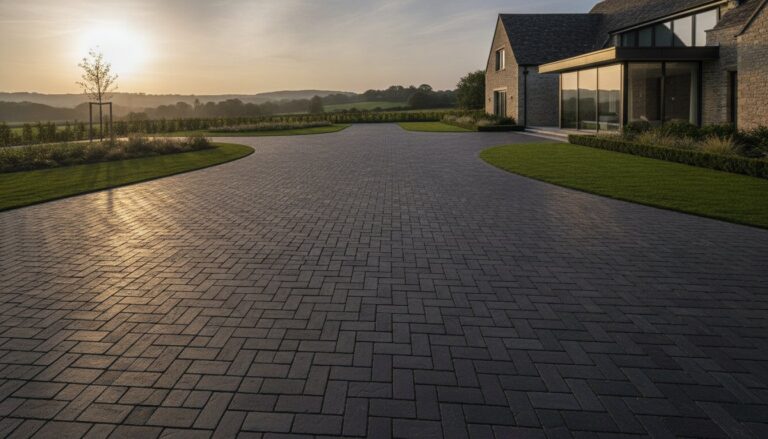
A driveway’s enduring elegance rests far less on the visible surface than you might expect; in fact, the longevity of your entrance depends 20% on the drive stone you choose and 80% on the engineering hidden beneath it. We understand that a poorly executed installation leads to more than just aesthetic disappointment. It results in stones migrating onto your lawn, persistent weeds, and drainage issues that turn a sophisticated approach into a series of muddy puddles after a heavy Buckinghamshire downpour.
You deserve a property entrance that reflects the value of your home without the burden of constant repair. This guide provides the clarity you need to select, install, and maintain the ideal aggregate for your property. We’ll detail how to balance aesthetic colour palettes with structural integrity, ensuring your new driveway remains a stable, low-maintenance asset that complies with modern drainage regulations. From planning your sub-base to choosing the final texture, we are here to ensure your project is a seamless success that enhances your home’s kerb appeal for years to come.
Key Takeaways
- Select a drive stone colour that harmonises with your home’s architectural style, drawing on regional palettes like Chiltern Grey or Cotswold Buff.
- Learn why angular chippings are superior to rounded pebbles for creating a stable, interlocking surface that resists migration and stone tracking.
- Understand the technical necessity of professional groundworks and MOT Type 1 sub-bases to ensure long-term structural integrity and drainage compliance.
- Compare the durability and performance of premium materials such as flint, granite, and quartz for high-traffic Buckinghamshire driveways.
- Discover the benefits of a managed installation approach that handles every logistical detail from initial excavation to final site clearance.
What is Drive Stone and Why is it Essential for Your Home?
When you approach a property, the driveway provides the first tangible impression of the home’s quality and the care taken in its maintenance. Drive stone refers to any aggregate material specifically selected to create a permeable, durable vehicle surface. While many homeowners view it simply as a decorative finish, it is a system of graded aggregates designed for load-bearing and water management. In the Buckinghamshire landscape, where traditional architecture meets modern living requirements, this material serves as a versatile solution that bridges the gap between heritage aesthetics and functional performance.
Choosing the right aggregate is about more than picking a colour you like from a catalogue. Understanding What is Drive Stone involves recognising the engineering properties of different geological materials. We believe a driveway should be a long-term asset, not a recurring maintenance headache. By opting for high-quality stone, you choose a cost-effective alternative to block paving or resin-bound systems that still offers a premium, high-end finish. It’s a pragmatic choice for those who value structural integrity as much as visual appeal.
The Benefits of Choosing Stone for Your Driveway
The primary advantage of a stone entrance is its natural ability to manage water. Buckinghamshire properties often face challenges with heavy rainfall, making Sustainable Urban Drainage Systems (SUDS) a critical consideration. Because stone is naturally permeable, it allows water to filter back into the ground, reducing the risk of puddles and often removing the need for complex planning permission. Beyond drainage, the aesthetic flexibility of stone allows it to complement everything from timber-framed cottages in the Chilterns to contemporary renovations in Monks Risborough.
There is also a practical security benefit that shouldn’t be overlooked. The audible ‘crunch’ of vehicles or footsteps on a stone surface acts as a natural deterrent, providing an extra layer of awareness for your home. It’s a simple, low-tech way to enhance your property’s safety while maintaining a sophisticated atmosphere.
Decorative Stone vs. Structural Aggregates
It’s a common mistake to assume that any stone sold at a garden centre is suitable for a driveway. You cannot use decorative garden pebbles for a heavy-use vehicle surface because they lack the necessary hardness and shape to interlock. Rounded stones will shift and sink under the weight of a car, leading to deep ruts and stone migration. Driveway-grade stone is typically angular, allowing the pieces to knit together under pressure to create a stable, walkable surface.
We categorise the driveway into two distinct parts: the sub-base and the wearing course. The sub-base provides the invisible strength, usually consisting of larger, compacted aggregates. The wearing course is the top layer of drive stone that provides the grip and the look. In certain installations, the presence of ‘fines’—smaller particles and dust—is essential to help the stone compact into a solid, unyielding layer that resists the movement often seen in inferior DIY projects.
Types of Drive Stone: Materials, Shapes, and Sizes
Selecting the right drive stone involves more than just picking a pleasing shade. The physical properties of the material determine how your driveway will perform under the daily stress of vehicle weight and weather. In the UK, we typically utilise four primary materials: flint, granite, quartz, and limestone. Each offers distinct aesthetic and structural benefits. Flint is exceptionally hard-wearing and common across Buckinghamshire, while granite provides a premium, crystalline finish that withstands decades of heavy use without crushing or degrading. Limestone offers a softer, more traditional look, though it’s slightly more prone to ‘dusting’ over time compared to harder igneous rocks.
The shape of the aggregate is perhaps the most overlooked factor in driveway design. While rounded pea shingle is popular for garden borders, it’s often unsuitable for vehicle traffic. Rounded stones act like ball bearings; they roll against one another, creating deep ruts and making the surface difficult to walk or drive on. For a stable entrance, you need angular chippings. These stones have jagged edges that interlock under pressure, creating a firm, unified surface that stays in place even when wheels are turned at a standstill.
When considering permeability and long-term stability, it’s essential to follow the Groundworks and Drainage Regulations to ensure your project remains compliant and functional. Choosing a porous aggregate is the first step toward a sustainable, long-lasting installation that protects your home from standing water.
Angular Chippings: The Secret to a Stable Driveway
The primary goal of a driveway surface is stability. Angular chippings, such as crushed granite or basalt, are the gold standard for this requirement. Because the edges are sharp rather than smooth, they ‘bite’ into one another when compacted. This mechanical bond prevents the stone from ‘rolling’ under car wheels, which is the leading cause of stone migration onto the road or lawn. If you’ve ever struggled to push a pram or wheelie bin through a gravel drive, it was likely because the stone was too rounded or the depth was poorly managed.
Size Matters: 10mm vs. 20mm Drive Stone
Sizing is a technical hurdle that often catches homeowners off guard. We generally recommend a 20mm stone for most residential driveways. This is often called the ‘Goldilocks’ size because it’s large enough not to get stuck in tyre treads or shoe soles, yet small enough to provide a comfortable walking surface. Smaller 10mm stones are notorious for ‘tracking’ into the house and getting caught in the grooves of modern car tyres. Conversely, stones larger than 40mm are best reserved for drainage channels or decorative borders where they won’t be disturbed by traffic.
If you’re looking for a finish that feels more like a solid path than loose gravel, self-binding gravel is an excellent alternative. This material includes ‘fines’—dust and smaller particles—that knit together when compacted with a heavy roller. It provides a rustic, firm surface that is popular for stately homes and public parks. If you’re planning a total property renovation, selecting the correct stone type is a foundational decision that impacts both the look and the longevity of your home’s exterior.
Aesthetic Harmony: Matching Stone to Buckinghamshire Properties
A driveway serves as the architectural frame for your home. In Buckinghamshire, where the landscape is defined by diverse building materials—ranging from Tudor timber-framing to Victorian red brick—the colour and texture of your aggregate must be selected with precision. Choosing the right drive stone involves more than just a cursory glance at a sample bag. It requires an understanding of how regional tones, such as the warmth of Cotswold Buff or the cool sophistication of Chiltern Grey, interact with the existing structures on your property. We focus on creating a unified visual language that respects the heritage of your home while providing a clean, modern finish.
The British climate introduces an additional variable: the ‘wet look’. Natural aggregates change character significantly when it rains. Porous stones like limestone may darken and take on a deeper, earthier hue, while crystalline materials like granite or quartz sparkle more vividly under grey skies. We recommend viewing samples both dry and wet to ensure the aesthetic remains pleasing throughout the seasons. To define these spaces, we often utilise contrasting stone borders or brickwork edges. This doesn’t just provide a clean visual break; it physically contains the stone and prevents it from encroaching on your landscaping.
Stone for Heritage and Period Homes
Heritage properties in areas like Aylesbury or the Chilterns often feature traditional red-brick or flint facades. To complement these warm tones, golden flints or buff limestones provide a sympathetic match that feels original to the site. If you own a stone-built property in South Oxfordshire, weathered greys and muted silvers maintain a sense of historical continuity. While the goal is a traditional appearance, we always utilise angular stones to ensure modern performance. Adhering to UK government guidance on permeable driveways ensures that even the most historic home benefits from contemporary drainage standards without sacrificing its character.
Modern and Contemporary Driveway Styles
For minimalist new builds or contemporary renovations, the trend has shifted toward monochromatic palettes. Silver granites and deep black basalts offer a sleek, high-contrast look that defines the property’s entrance with authority. Materials like ‘Arctic White’ chippings are increasingly popular for their ability to brighten shaded areas and create a crisp, clean aesthetic. Many of our clients choose to integrate their driveway with modern stone patios to create a seamless transition from the front entrance to the rear garden. This holistic approach to material selection ensures that every element of your property renovation feels intentional and high-end.
The Technical Foundation: Groundworks and Drainage
A driveway’s longevity isn’t determined by the top layer but by the precision of the excavation beneath it. We believe that a successful project begins with a deep understanding of the site’s geology. The process starts with a significant excavation to remove unstable topsoil and organic matter. Without this foundational step, even the highest quality drive stone will eventually shift, leading to an uneven and unsightly entrance. We treat the groundworks phase with the same level of detail as the final aesthetic finish, ensuring a stable platform that supports the weight of modern vehicles for decades.
The core of this structural integrity is the sub-base, typically constructed using MOT Type 1. This crushed aggregate provides the essential load-bearing strength required to prevent the surface from deforming under pressure. To keep the sub-base effective, we install a high-grade geo-textile membrane between the soil and the aggregate. This barrier is critical; it prevents the stone from sinking into the soft sub-soil while simultaneously suppressing weed growth from beneath. This methodical approach removes the logistical burden of future repairs and ensures your driveway remains a low-maintenance asset.
Adhering to Sustainable Urban Drainage Systems (SUDS) compliance is a legal requirement for most front gardens in the UK. Permeable driveways are the standard because they allow rainwater to filter naturally into the ground rather than overwhelming local drainage networks. By choosing a porous system, you often bypass the need for formal planning permission, making the installation process smoother and more efficient. Our commitment to these standards ensures your property remains environmentally responsible and structurally sound.
Stabilization Grids: Keeping Your Stone in Place
Honeycomb stabilization grids are an excellent investment for maintaining a perfectly level surface. These interlocking cells lock the aggregate in place, which prevents the ‘rutting’ and stone migration often caused by heavy SUVs turning in tight spaces. Beyond stability, these grids make the driveway much more accessible for wheelchairs, prams, and bicycles by providing a firm, walkable footing. For Buckinghamshire properties with sloped entrances, these grids are indispensable, as they mechanically stop the stone from migrating toward the road during heavy rain or vehicle movement.
Managing Drainage in Buckinghamshire Soils
Buckinghamshire is known for its heavy clay content, particularly in areas surrounding Aylesbury and Thame. Clay soil presents a challenge because it absorbs water slowly, which can lead to pooling if the drainage strategy is flawed. We integrate bespoke soakaways and linear drains into our groundworks services to direct runoff away from your home’s foundation. This technical oversight is the critical first step in any build, protecting both your new driveway and the structural integrity of your property. If you are planning a comprehensive renovation, our team provides the professional driveway installation expertise required to handle these complex environmental factors with ease.
Professional Installation: The WillsByrne Approach
While a simple “DIY top-up” of fresh gravel might offer a temporary visual lift, it fails to address the underlying causes of stone migration, sinking, and poor drainage. A professionally engineered driveway is a permanent structural improvement that requires methodical planning and heavy equipment. We manage every aspect of the project, from the initial site access “prelims” to the responsible removal of all excavated waste. By overseeing the entire lifecycle of the build, we ensure that your chosen drive stone is supported by a foundation that prevents the common pitfalls of amateur installations.
Our firm operates as your single point of contact, removing the logistical burden of coordinating multiple trades or material deliveries. This model provides a frictionless experience where accountability is clear and communication is consistent. When you trust our team with your driveway installation, you gain the peace of mind that comes from a partner dedicated to high-end execution and structural perfection. We don’t just lay stone; we build lasting entrances that reflect the integrity of your property.
From Ideation to Completion
The journey begins with a detailed consultation where we match stone samples directly to your property’s exterior. We believe seeing the material in situ is essential for achieving aesthetic harmony. Once the design is finalised, we move into the technical phases of precise excavation and sub-base compaction. As discussed in previous sections, the depth of the MOT Type 1 layer is calculated based on your specific usage needs. The process concludes with the final pour and rake. This is a meticulous stage where we achieve a perfectly level, sophisticated finish that instantly enhances your home’s kerb appeal.
Why Local Expertise Matters
Operating as landscaping contractors based in Monks Risborough gives us a unique advantage. We possess an intimate knowledge of Buckinghamshire’s specific planning requirements and the heavy clay soils prevalent in the region. This local heritage allows us to navigate SUDS compliance and council regulations with decisive efficiency. A fully managed, professional build ensures that your driveway is not only beautiful but also a durable, compliant asset. We take pride in delivering a streamlined service model that values traditional hard work while utilising contemporary management techniques to protect your long-term investment.
Elevate Your Property with a Lasting Entrance
A sophisticated driveway is more than a utility; it’s a statement of quality that begins long before the first vehicle arrives. We’ve explored how the longevity of your entrance relies on the synergy between precise groundworks and the selection of high-performance drive stone. By prioritising angular materials for stability and ensuring compliant drainage through professional engineering, you transform a potentially high-maintenance area into a durable, value-adding asset for your home. The right choice today prevents the future frustration of migrating stones and persistent drainage issues.
Our team is dedicated to delivering this vision through a frictionless process that handles every technical and aesthetic detail. We combine deep local knowledge of Buckinghamshire’s landscape with a commitment to structural perfection and high-end execution. If you’re ready to transition from initial ideation to a flawlessly executed reality, we’re here to manage the journey for you. Book a consultation for your Buckinghamshire driveway project today and take the first step toward a refined, permanent entrance that truly complements your lifestyle.
Frequently Asked Questions
Is gravel or stone better for a driveway?
Crushed stone is superior to rounded gravel for vehicle surfaces. While the terms are often used interchangeably, angular crushed stone provides a stable, interlocking surface that resists movement. Rounded gravel, such as pea shingle, acts like ball bearings under tyre pressure, leading to ruts and stones migrating onto the road or lawn.
What is the best size stone for a driveway?
The industry standard for a residential entrance is 20mm. This size is large enough to prevent the stone from getting stuck in tyre treads or shoe soles, yet small enough to provide a comfortable, level walking surface. Stones smaller than 10mm often track into the house, while stones larger than 40mm can feel unstable underfoot.
Do I need planning permission for a stone driveway in Buckinghamshire?
You don’t need planning permission for a driveway of any size if you use a permeable surfacing material like drive stone. This allows rainwater to drain naturally into the ground. If you use an impermeable material for an area larger than five square metres, you’ll likely need to submit a householder planning application to Buckinghamshire Council.
How do I stop my driveway stone from moving or ‘rutting’?
Using honeycomb stabilization grids is the most effective way to prevent stone migration. These grids lock the aggregate in place, ensuring the surface remains level even when heavy vehicles are turning. Combining these grids with angular chippings rather than rounded pebbles creates a firm, unified surface that resists the deep ruts often seen in inferior installations.
Is a stone driveway high maintenance compared to block paving?
Stone driveways are remarkably low maintenance if they’re installed with a professional sub-base and weed membrane. Unlike block paving, you won’t have to worry about individual bricks cracking or shifting over time. Maintenance is usually limited to an occasional rake to keep the surface even and a simple top-up of fresh stone every few years to maintain the aesthetic.
How deep should the stone be on a driveway?
The surface layer of stone should typically be 50mm deep. If the layer is too thin, the sub-base material may become visible; if it’s too deep, the surface becomes difficult to walk on and can cause vehicles to sink. A tonne of 20mm aggregate generally covers approximately 10 to 12 square metres at this standard depth.
Can I lay drive stone over my old concrete driveway?
Laying stone directly over concrete is generally not recommended because it creates significant drainage issues. Concrete is impermeable, so rainwater will sit between the stone and the old surface, leading to puddles and stone wash-out. For a long-lasting result, it’s better to excavate the old driveway and install a proper, permeable sub-base that complies with modern standards.
What is the most durable colour of stone for heavy vehicle use?
Darker, harder stones like grey granite or basalt are the most durable options for high-traffic areas. These materials are less likely to crush into dust under the weight of heavy vehicles compared to softer limestones. Additionally, darker drive stone colours are excellent at hiding tyre marks and oil drips, ensuring your entrance maintains its sophisticated appearance with minimal effort.