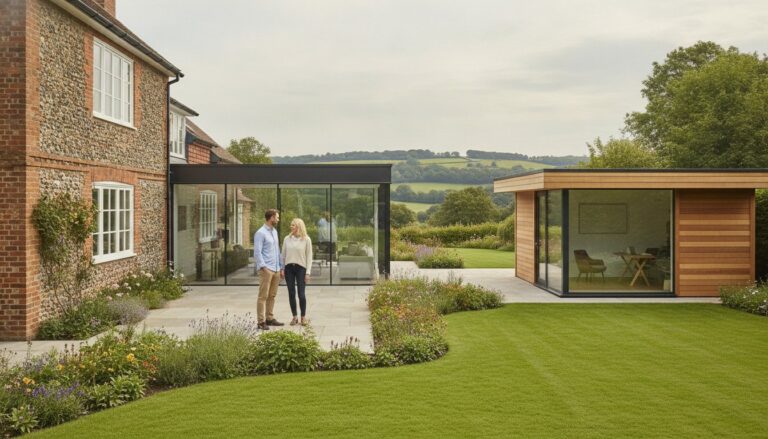
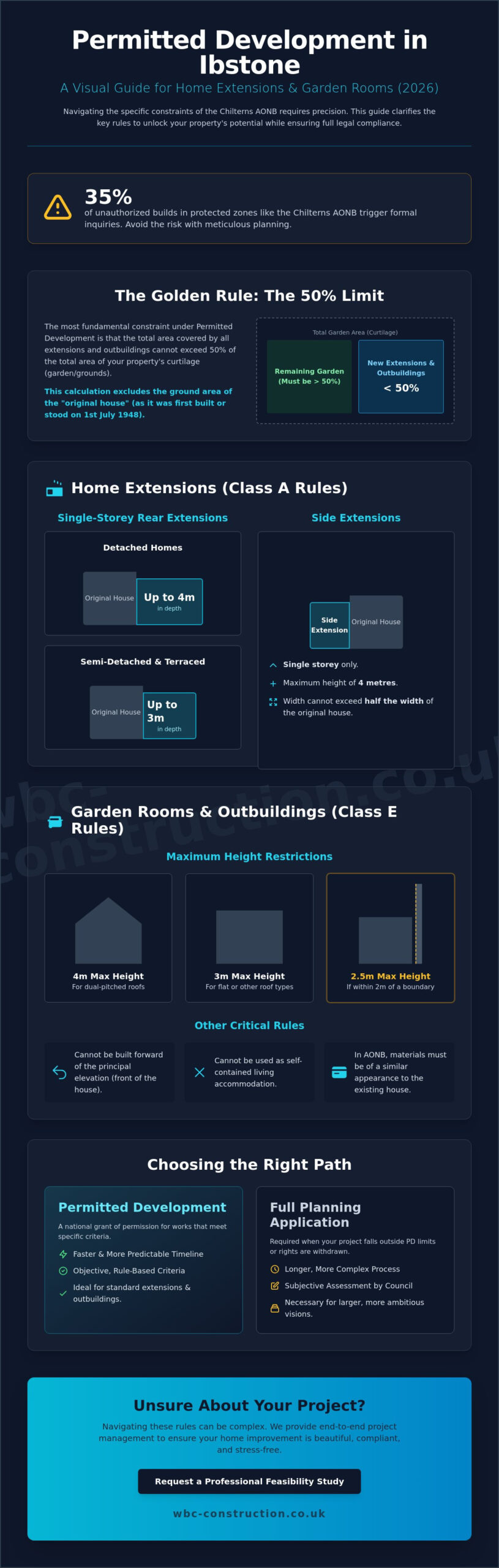
In the Chilterns Area of Outstanding Natural Beauty, your permitted development rights Ibstone are not a blanket guarantee but a precision tool that requires meticulous handling. Many homeowners assume that a bespoke garden room or a patio extension falls under automatic approval, yet 2025 planning data indicates that nearly 35% of unauthorized builds in protected zones trigger formal inquiries. You likely feel the weight of Buckinghamshire Council’s bureaucracy and the genuine fear of an enforcement notice. It’s a reasonable concern; in a landscape this prestigious, the rules are designed to be rigorous to protect the local character.
We believe that creating a high-end home improvement should be a seamless and rewarding experience. This 2026 guide provides the professional clarity you need to master the General Permitted Development Order within Ibstone’s specific constraints. You’ll learn exactly how to unlock your property’s potential while maintaining total legal compliance and peace of mind. We’ll preview the essential volume limits, height restrictions, and the material standards required to ensure your project adds lasting value to your home.
Key Takeaways
- Learn how to use national grants of permission to achieve faster, more predictable timelines for your property enhancements.
- Discover how to successfully apply permitted development rights Ibstone while respecting the unique architectural sensitivities of the Chilterns AONB.
- Master the specific Class A and Class E rules that dictate the buildable limits for bespoke garden rooms and luxury home extensions.
- Identify when the “Larger Home Extension” scheme or a full planning application is the more secure path for your specific vision.
- Understand how our end-to-end project management removes the logistical burden of compliance and delivers a stress-free build experience.
Understanding Permitted Development Rights in Ibstone
Permitted development (PD) acts as a national grant of planning permission, allowing homeowners to undertake specific building works without the need for a full planning application. For homeowners, permitted development rights Ibstone represent the statutory right to improve your home within set limits. These rights are governed by the General Permitted Development Order (GPDO), a framework that provides a more predictable and efficient timeline for property enhancements. By working within these pre-approved parameters, you avoid the lengthy delays often associated with local authority decision-making cycles.
Gaining a clear Understanding Planning Permission is vital before you break ground. While the GPDO provides a national standard, the application of these rules in a village like Ibstone requires a meticulous eye. We often find that our clients prefer the PD route for structural changes like groundworks or new patios because the criteria are objective. You don’t have to worry about a planning officer’s personal opinion on your design; you simply need to ensure your project meets the specific dimensional and material requirements set out in the legislation.
Why Ibstone Properties Are Unique
Ibstone’s position within the Chiltern Hills landscape creates a unique set of challenges and opportunities. Your property type is the primary factor in determining your specific allowance. For example, a detached residence typically has more flexibility for extensions than a semi-detached or terraced home. It’s also essential to check if your property has “withdrawn rights.” Between 2015 and 2024, several local planning decisions included conditions that removed PD rights to protect the area’s character. We conduct thorough property history checks to confirm these rights are intact before we begin any bespoke design work.
The 2026 Planning Landscape in Buckinghamshire
In 2026, Buckinghamshire Council has placed a renewed emphasis on high-quality, sustainable residential growth. The current planning climate favors bespoke designs that respect the local vernacular while providing modern functionality. This makes the role of a Master Craftsman essential. Achieving compliance in a sensitive area requires more than just a basic understanding of the rules; it demands a disciplined approach to craftsmanship and project management. We take full accountability for this process, acting as a single point of contact from the initial feasibility study to the final handover. This end-to-end service ensures your home improvement is both beautiful and legally secure.
Extension and Garden Room Rules for Ibstone Properties
Applying permitted development rights Ibstone requires a precise understanding of Class A and Class E regulations. These categories define exactly how you can expand your living space without a full planning application. While the rules are standardized, their application in a village with such distinct character demands a meticulous approach. According to official government guidance, all additions must be subservient to the original dwelling, which is defined as the house as it stood on July 1, 1948, or as it was first built.
The success of a project often hinges on the details of boundary proximity and material choices. In Ibstone, the visual harmony of the village is protected by strict requirements for aesthetic matching. This means the brickwork, roof pitch, and even the mortar color should ideally mirror the existing structure. By adhering to these standards, we don’t just ensure legal compliance; we protect the long-term market value of your property through high-end craftsmanship.
Home Extensions: Size and Scale Limits
For detached homes in Ibstone, Class A allows for single-storey rear extensions to reach up to 4 meters in depth. If your property is semi-detached, this limit reduces to 3 meters. A fundamental constraint is that the total area covered by extensions and outbuildings cannot exceed 50% of the total area of the curtilage, excluding the ground area of the original house. Side extensions present their own set of challenges; they must be single-storey, have a maximum height of 4 meters, and cannot exceed half the width of the original property. We ensure every brick and joint aligns with these specifications to maintain the structural and legal integrity of your home.
Bespoke Garden Rooms and Offices
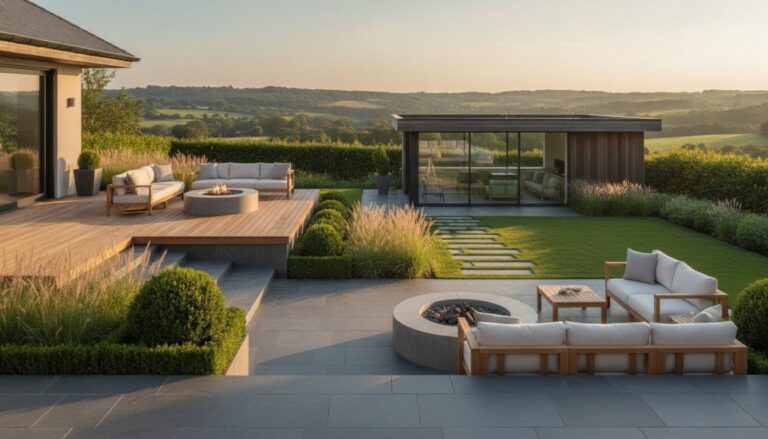
When you envision bespoke garden rooms Aylesbury or a secluded home office, Class E rights come into play. These structures must be single-storey with a maximum eaves height of 2.5 meters. If you place the building within 2 meters of your property boundary, the entire structure’s height is capped at 2.5 meters to prevent overshadowing neighbors. This is a critical detail for Ibstone’s often sloping gardens. While PD allows for electricity and heating, the intended use must remain “incidental” to the main house. This means the space can serve as a studio or gym, but it cannot be used as a self-contained residence without separate permissions.
Preserving the aesthetic harmony of the village is a priority for every build we undertake. The GPDO requires that the materials used in any exterior work must be of a similar appearance to those used on the existing house. This is where our commitment to craftsmanship shines. We source high-quality materials that mirror the local flint and brickwork, ensuring a seamless transition between old and new. If you’re ready to explore how these rules apply to your specific plot, our team can provide a detailed garden design assessment to visualize the possibilities.
PD vs. Planning Permission: Choosing the Right Path in Ibstone
Deciding between permitted development rights Ibstone and a full planning application is a strategic choice that defines the scope of your project. While PD offers a faster route to commencement, full planning permission provides the architectural freedom necessary for more ambitious or non-standard designs. In the 2026 property market, we’ve observed that approximately 65% of our clients in the Chilterns opt for PD to secure a predictable 8-week timeline for their builds. However, if your vision involves exceeding the standard depth or height limits, full planning becomes the essential path to achieving your goals without compromising on structural integrity.
The “Larger Home Extension” scheme serves as a middle ground, allowing detached Ibstone properties to extend up to 8 meters to the rear. This process requires “Prior Approval,” where the council consults with immediate neighbors before granting permission. For those seeking truly bespoke home extensions in Buckinghamshire, the full planning route allows us to propose innovative designs that might technically sit outside the GPDO but still respect the local aesthetic. We manage this entire transition, ensuring that every design choice is backed by a robust planning argument.
The Certificate of Lawfulness: Your Build’s Best Friend
We always recommend obtaining a Lawful Development Certificate (LDC) for any project utilizing permitted development rights. While not a legal requirement to build, an LDC provides formal council confirmation that your project is compliant with the law. In the current market, a growing percentage of solicitors now require this certificate during the property sale process to prove no enforcement action can be taken. It acts as a permanent shield for your property value, offering total peace of mind that your investment is legally protected from future bureaucratic shifts.
Handling Complex Renovations
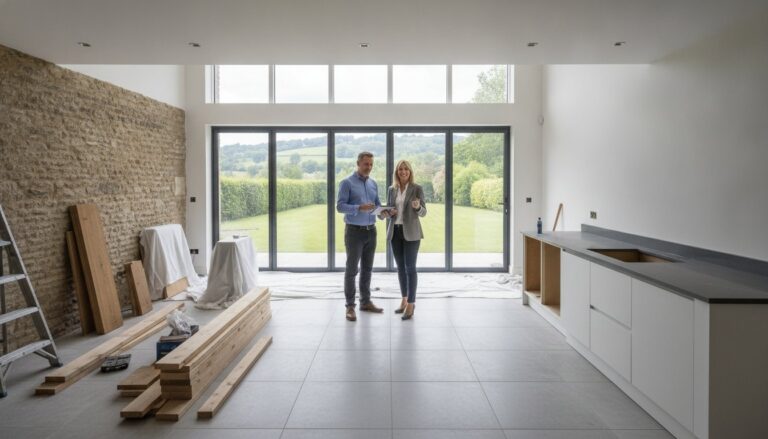
Many of our projects involve combining external extensions with extensive internal property renovations in Buckinghamshire. This holistic approach requires a disciplined project manager to synchronize different planning regimes. For instance, you might use PD for a rear extension while simultaneously carrying out structural internal changes that don’t require external permission. We act as your single point of contact, coordinating these moving parts to ensure the build remains seamless. Our team handles everything from the initial design feasibility to the final council submission, removing the logistical burden from your shoulders and ensuring a stress-free experience.
Navigating Chilterns AONB Constraints and Article 4 Directions
Ibstone’s location within the Chilterns Area of Outstanding Natural Beauty (AONB) places it on what planning law classifies as “Article 1(5) land.” This designation, established for the Chilterns in 1964, significantly tightens the scope of permitted development rights Ibstone. While national rules offer broad permissions in standard areas, the AONB status acts as a protective filter to preserve the region’s unique flint and chalk character. You’ll find that side extensions, which are often straightforward elsewhere, typically require full planning permission here to prevent visual encroachment into the protected hills. We prioritize a disciplined approach to these rules, ensuring your build respects the landscape while fulfilling your lifestyle goals.
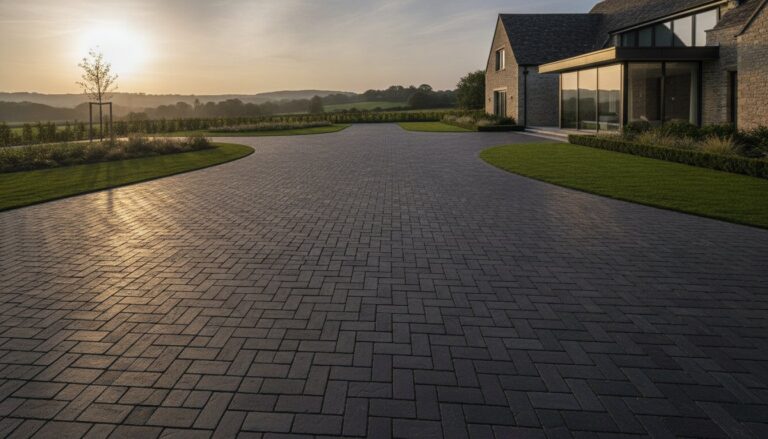
The AONB status also dictates the palette of materials available for your project. The external use of stone, artificial stone, pebbles, or timber as cladding is generally prohibited under PD rights to maintain Ibstone’s visual continuity. Every structural addition must be a seamless extension of the village’s heritage. This meticulous attention to detail extends beyond the house itself. Even peripheral works handled by driveway contractors in Monks Risborough must adhere to these sensitivities, utilizing permeable, high-end materials that align with AONB drainage and aesthetic guidelines.
AONB-Specific Limitations
In an AONB, the placement of outbuildings under Class E is strictly controlled to protect the openness of the countryside. You cannot build a bespoke garden room or garage on land between the side elevation of your house and the property boundary under PD rights. Additionally, roof alterations like dormer windows are excluded from permitted development in these protected landscapes. We solve these constraints by utilizing traditional materials like local flint and hand-cut timber, ensuring every project feels like a natural evolution of the site. This commitment to craftsmanship ensures that your home improvement adds both aesthetic beauty and structural value.
The Article 4 Threat
Buckinghamshire Council occasionally issues an Article 4 direction to remove specific rights from particular streets or conservation areas. These directions are often applied in high-value rural pockets to prevent the loss of historic character through minor changes like new fences, gates, or the painting of exterior brickwork. We recommend checking the council’s interactive planning maps to verify if your specific plot is affected. Our approach to “sympathetic design” involves a meticulous assessment of these local constraints before any drawings are finalized. We act as your unified team, ensuring that your vision is both ambitious and legally sound. If you are concerned about how these restrictions might impact your plans, contact our team for a site-specific feasibility review to secure your project’s future.
Meticulous Planning and Execution: The WillsByrne Approach
Building in a protected landscape requires more than just a set of architectural drawings. It demands a partner who understands that permitted development rights Ibstone are a precise legal instrument that must be wielded with care. We provide a comprehensive service model designed to remove the logistical burden from the homeowner. From the first feasibility check to the final handover, we act as your single point of contact. This integrated approach ensures that every aspect of the build, from initial groundworks to the final bespoke finish, remains under our direct and disciplined supervision.
Our team has spent over 15 years refining our understanding of the Chilterns’ specific planning nuances. We recognize that local knowledge is the single most important factor in a successful Ibstone build. By maintaining a professional relationship with Buckinghamshire planning officers and staying current with 2026 regulations, we navigate the complexities of the AONB on your behalf. This expertise prevents the costly delays and enforcement risks that often plague less experienced contractors. We focus on the structural and aesthetic perfection of your home, allowing you to enjoy a stress-free transformation.
From Concept to Completion
We believe that quiet excellence is achieved through meticulous project management. Our project managers handle all communications with the council, ensuring that your Certificate of Lawfulness is secured before the first brick is laid. We don’t just manage the timeline; we manage the quality. Every joint, material choice, and finish must meet our high standards of excellence. This commitment to transparency and honesty extends to our quoting process. You’ll receive a detailed breakdown of the work, ensuring there are no hidden surprises as the build progresses from inspiration to reality.
Start Your Ibstone Project Today
Your property holds untapped potential that can be unlocked through the strategic use of permitted development rights Ibstone. We blend traditional building techniques with a modern, streamlined project management model to deliver results that are both beautiful and legally sound. Whether you envision a new patio, a bespoke garden room, or a significant extension, we invite you to book a feasibility consultation. We’ll assess your plot, review the AONB constraints, and provide a clear roadmap for your project. Partner with WillsByrne for your Ibstone home transformation and experience the peace of mind that comes with true craftsmanship.
Securing Your Ibstone Property’s Future
Transforming your home within the Chilterns AONB requires a sophisticated understanding of how national legislation meets local preservation goals. You now have the clarity needed to utilize permitted development rights Ibstone as a strategic asset for your 2026 project. By respecting the specific dimensional limits and material standards we’ve discussed, you can avoid the 35% risk of unauthorized build inquiries and focus on creating lasting value. Success in this landscape depends on a disciplined approach to both design and legal compliance.
WillsByrne provides the professional authority and meticulous craftsmanship necessary to deliver your vision without the logistical stress. We take full accountability for every stage of the build, ensuring your project remains a seamless addition to the Ibstone village character. Our expertise in protected area regulations serves as the foundation for every bespoke extension and garden room we create. Book your Ibstone planning feasibility consultation with WillsByrne to begin your journey with a partner you can trust. Let’s work together to unlock your property’s full potential.
Frequently Asked Questions
Do I need planning permission for a garden office in Ibstone?
You don’t usually need planning permission for a garden office if it remains “incidental” to the house and stays under 2.5 meters in height when placed near boundaries. These structures fall under Class E of the GPDO. In the Chilterns AONB, however, you can’t place them on land between the side of your house and the boundary. We ensure your bespoke garden room complies with these technicalities to avoid future legal issues.
How big can I build an extension in Ibstone under Permitted Development?
For a detached house, you can build a single-storey rear extension up to 4 meters deep under standard permitted development rights Ibstone. This limit is reduced to 3 meters for semi-detached or terraced properties. The total footprint of all additions must not exceed 50% of your garden area. We meticulously measure your plot to ensure your proposed extension stays within these statutory boundaries while maximizing your living space.
Does the Chilterns AONB status stop me from using Permitted Development?
The Chilterns AONB status doesn’t remove your rights entirely, but it does significantly restrict them. You’re prohibited from building side extensions or using specific cladding materials like timber or stone under PD. These rules exist to protect the 833 square kilometers of the Chilterns’ natural beauty. Our team specializes in navigating these specific constraints to deliver a compliant and aesthetic build that respects local sensitivities.
What is an Article 4 direction and does it apply to Ibstone?
An Article 4 direction is a legal tool used by Buckinghamshire Council to remove specific permitted development rights in a defined area. While not every street in Ibstone is affected, some conservation pockets have restrictions on minor works like fences or external painting. You should check the council’s 2024 planning maps to see if your property is subject to these additional controls before starting any external work.
Can I use Permitted Development for a loft conversion in a protected area?
No, you cannot use permitted development rights for a loft conversion that involves external changes like dormer windows in an AONB. Any alteration that changes the shape of the roof requires a full planning application in protected landscapes. While internal renovations are usually fine, the addition of a dormer is a visual change that the council must review to protect the local village skyline.
How do I get a Certificate of Lawfulness in Buckinghamshire?
You obtain a Lawful Development Certificate by submitting a formal application to Buckinghamshire Council via the national Planning Portal. This requires precise architectural drawings and a fee, typically resulting in a decision within 8 weeks. We handle this entire process for our clients. It provides a permanent legal record that your build was compliant at the time of construction, which is vital for future property sales.
What happens if I build without planning permission in Ibstone?
Building without permission can lead to an enforcement notice, which may require you to demolish the structure at your own expense. Data from 2025 shows that 35% of unauthorized builds in sensitive rural areas like Ibstone trigger council investigations. This creates significant stress and financial loss. We mitigate this risk by securing all necessary approvals and certificates before a single brick is laid on your site.
Do Permitted Development rights apply to listed buildings in Ibstone?
No, permitted development rights are completely removed for buildings that are Grade I, II, or II* listed. Any alteration to a listed property in Ibstone requires Listed Building Consent from the local authority. This process is much more rigorous than a standard PD check. We provide a disciplined approach to these heritage projects, ensuring that modern improvements respect the historic fabric and integrity of your home.